🧺 Family picnic, Sunday afternoon
“Best day with my favorite people ❤️”
0likes
0comments
0new followers
Use ← → or the buttons to move between pages. P toggles presentation mode. Yes, you’re reading this on a screen. We’ll get to that.
In 2024 the English-speaking world voted, more or less, that its own brain was going soft.
Every December, Oxford University Press picks a word that sums up the year. In 2024, after a public vote of more than 37,000 people, it chose brain rot: “the supposed deterioration of a person’s mental or intellectual state, especially viewed as the result of overconsumption of material (now particularly online content) considered to be trivial or unchallenging.” Use of the phrase jumped 230% in a single year ·.
The funny part is who made it popular. It wasn’t worried parents or professors. It was teenagers and twenty-somethings on TikTok, calling their own feeds brain rot while they kept watching them. That isn’t ignorance. It’s self-awareness with nowhere to go, which is a very modern condition.
A year later, Oxford’s 2025 pick was rage bait, “online content deliberately designed to elicit anger or outrage,” whose use had tripled in twelve months ·. Two years, two words, one story: we are being fed, and some of the food is designed to make us sick.
This presentation is an opinion piece. It follows seven big questions about the mind, independence, relationships, control, attention, privacy and, finally, what all this technology could be if we used it on purpose. There’s research along the way, and plenty of what other people are thinking and saying. But the point isn’t to win an argument. The point is to make you look at your own screen a little differently by the end.
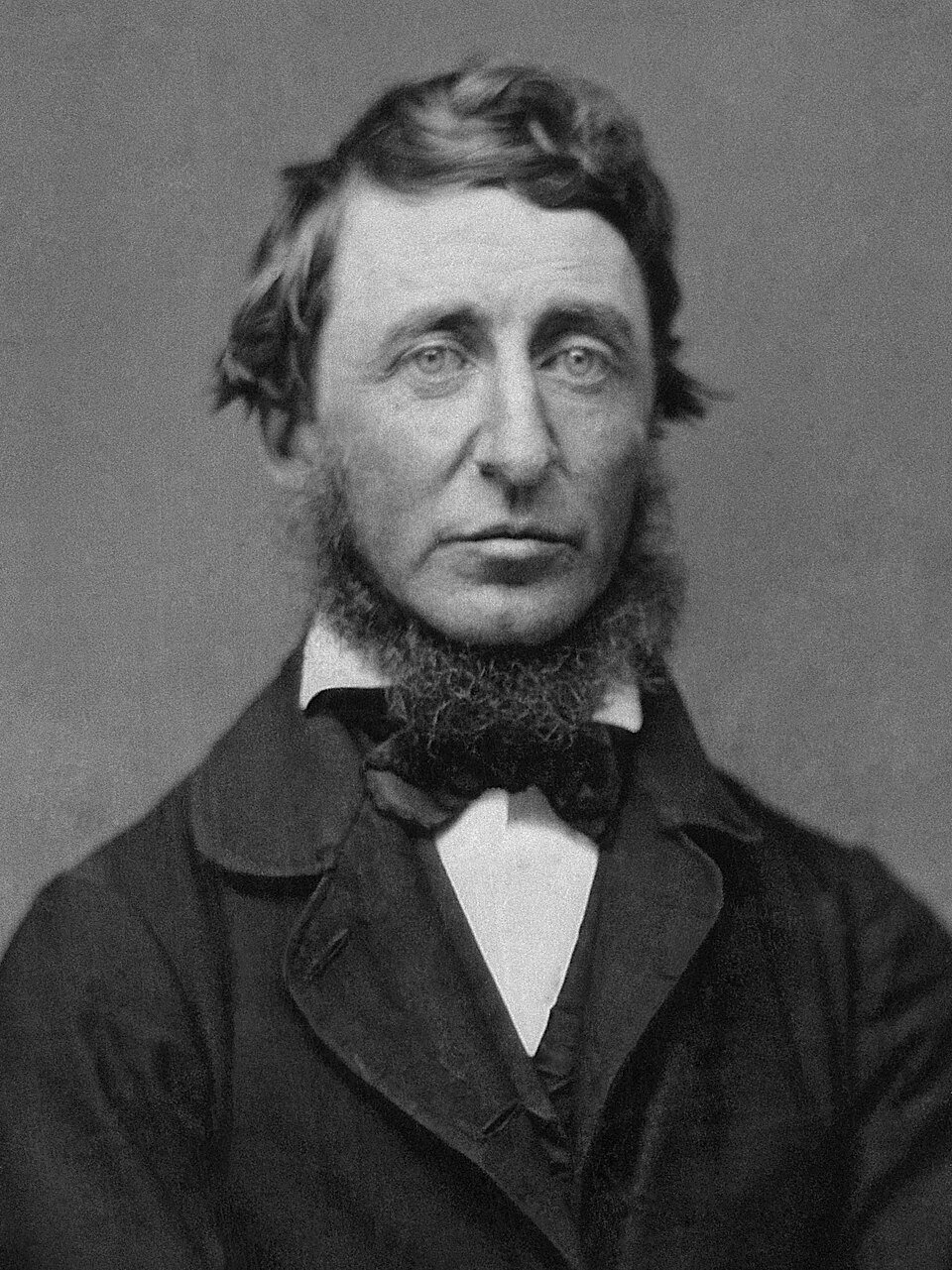
“While England endeavors to cure the potato-rot, will not any endeavor to cure the brain-rot, which prevails so much more widely and fatally?”Henry David Thoreau, Walden (1854) ·
82% of Gen Z adults associate social media with the word “addicting.” 57% associate it with “boredom.”
Harris Poll with Jonathan Haidt, 2024 ·60% of the same group say social media has had a negative impact on society. Most still use it for hours a day.
Harris Poll, 2024 ·Four in ten young adults agree: “I wish social media had never been invented.”
Harris Poll, 2024 ·Six statements, no score, no judgment. Answers stay in this browser and never leave your device.
Because almost everyone believes the problem is mostly other people. Other people are addicted. Other people believe whatever they read. Other people’s kids are on their phones too much.
Write down your own baseline now, while you’re still feeling generous toward yourself. The last page of this presentation will show you these answers again and ask the same six questions.
Fair warning: the fact that you opened a long presentation about attention on purpose already puts you ahead of the algorithm. Let’s see if you can keep it up.
Our brains were built for a village. We now give them the whole planet before breakfast, a running commentary on everyone we have ever met, and not one unoccupied minute. It would be strange if nothing changed.
Nothing in this person’s life changes. Their day does anyway.
Someone wakes up on a beautiful Saturday morning. No work today. The family is healthy, the bills are paid, the coffee is good, and there is honestly nothing wrong.
They pick up their phone to “just check.” Within minutes they have seen a violent confrontation in a foreign country, a tragedy a thousand miles away, a political fight, and two strangers tearing each other apart in a comment section.
Nothing about their own life has changed. The family is still healthy. The bills are still paid. The Saturday is still out there, waiting.
But the person who walks into it isn’t the same person who woke up.
That’s the whole idea of this section, and it’s worth saying plainly: a lot of what upsets us every day has nothing to do with our lives. We didn’t cause it, we can’t fix it, and in most cases we will never hear about it again after Tuesday. Yet we carry it around as if it were ours.
Try it on the right. It’s a little exaggerated. Only a little.
Illustration only. The headlines are invented examples of the kind of thing a feed serves up, not real news items.
For most of history, bad news had to walk to you. Now it lives in your pocket and vibrates.
Your great-grandparents heard about distant disasters days or weeks later, in a newspaper they bought once a day from a kid on a corner. Then they folded the paper and went back to their lives. The news had edges. It started, and it ended.
Radio and television shortened the delay but kept the edges: the evening broadcast came on at a set time, ran thirty minutes, and said good night. Today there is no good night. The feed is bottomless by design, and it doesn’t just carry the news. It carries everyone’s reaction to the news, and their reactions to the reactions.
The media critic Neil Postman saw the shape of this back in 1985. He talked about the information-action ratio: the telegraph, and later television, flooded people with facts about faraway places that they could do absolutely nothing about. Information stopped being something you used. It became something you consumed, and then felt bad about ·.
Mark Zuckerberg, of all people, once explained the logic of the modern feed with brutal honesty. Eli Pariser opens his book The Filter Bubble with it ·:
“A squirrel dying in front of your house may be more relevant to your interests right now than people dying in Africa.”Mark Zuckerberg, as quoted by Eli Pariser, The Filter Bubble (2011) ·
Ugly as that sounds, it points at something true: relevance is personal. The trouble is that today’s feeds don’t serve what’s relevant to you. They serve what grabs you. And what grabs a human brain fastest is threat, conflict and catastrophe, wherever on Earth it happens to be.

In 2016, one of the internet’s most prolific writers described what fifteen years inside the stream did to him.
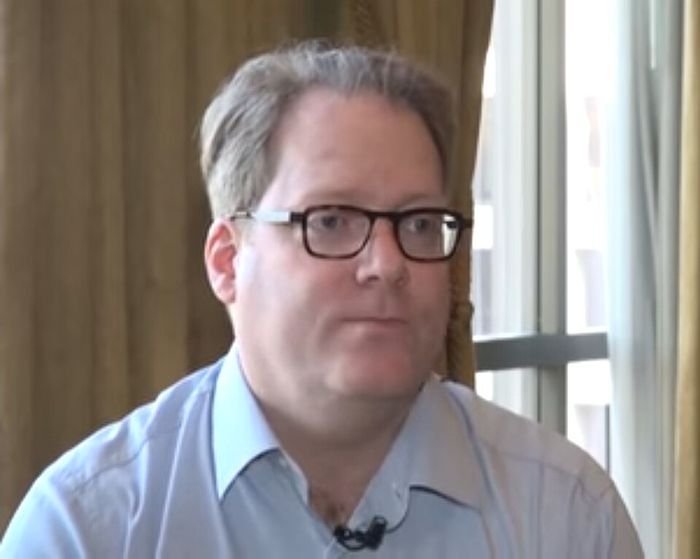
Andrew Sullivan was one of the first great bloggers. For about fifteen years he posted several times a day, seven days a week, and eventually ran a team that updated his site every 20 minutes during peak hours. Each morning, he wrote, “began with a full immersion in the stream of internet consciousness and news, jumping from site to site, tweet to tweet, breaking news story to hottest take” ·.
It worked, professionally. Up to 100,000 readers a day. A profitable business. A constant feed of things “to annoy, enlighten, or infuriate me.” Then his body started keeping score: four bronchial infections in twelve months, vacations that were just chances to sleep, dreams full of the code he used to update the site, friendships that had “atrophied.” His doctor finally asked him a question he couldn’t laugh off: “Did you really survive HIV to die of the web?”
Sullivan quit blogging in 2015. His essay about it, “I Used to Be a Human Being,” ran in New York magazine in September 2016. It opens with him at a meditation retreat, surrendering his iPhone into a basket and feeling “a sudden pang of panic” on the way back to his seat. If everyone hadn’t been watching, he admits, he might have gone back and asked for it.
His point wasn’t that he was special. It was that he was early. What used to be the pace of one obsessive professional, he wrote, had become “the default for everyone.”
“An endless bombardment of news and gossip and images has rendered us manic information addicts. It broke me. It might break you, too.”Andrew Sullivan, “I Used to Be a Human Being,” New York, Sept. 18, 2016 ·
After the 2013 Boston Marathon bombing, researchers surveyed thousands of Americans. People who took in six or more hours a day of bombing coverage in the following week reported more acute stress than people who had actually been at or near the finish line ·.
Being there hurt. Watching it on a loop, it turned out, could hurt more.
By spring 2020, so many people were scrolling bad news late into the night that the habit got a name: doomscrolling. Quartz reporter Karen K. Ho started posting nightly reminders on Twitter telling people to stop and go to sleep. Merriam-Webster put the word on its watch list that year and added it to the dictionary in 2023 ·.
Some knowledge changes what you do. A lot of it only changes how you feel.
None of this is an argument for ignorance. Knowing about the world matters. Distant events shape elections, prices, wars and laws that eventually reach your street. People who cared about faraway suffering have changed history for the better.
But there’s a difference between knowing something and soaking in it. Reading a solid summary of a crisis once is being informed. Watching forty clips of it, reading two thousand furious comments, then refreshing to see if it got worse is something else. It doesn’t make you more useful to anyone. It just makes you more upset.
Huge numbers of people have reached this conclusion on their own. The Reuters Institute’s global survey found that in 2025, four in ten people sometimes or often avoid the news on purpose, up from 29% in 2017. The top reason wasn’t “I don’t care.” It was that the news hurts their mood ·.
That might be the most human response in this whole presentation. When something keeps hurting, you step back. The irony is that many of these news avoiders still scroll social media for hours, where the same events reach them anyway, only angrier and less accurate.
“There are multiple, enormous and overwhelming horrific situations left, right and centre. It’s too much.”Survey respondent, woman, 51, U.K., Reuters Institute Digital News Report 2025 ·
Before taking in another update about something far away, ask one honest question: will knowing this change anything I do today? If the answer is yes, read on. If it’s no, you’re allowed to know it later, briefly, and from a calmer source. That’s not avoidance. That’s an edge, like the newspaper used to have.
You can catch a mood from people you’ve never met, and then pass it to people you love.
Someone spends an hour scrolling through angry comments, controversial videos, personal feuds and stories built to provoke. Nothing bad has happened to them. They just watched.
Then they put the phone down and sit down to dinner with their family. Somebody asks an ordinary question in an ordinary tone, and gets an answer with a little edge on it. Nobody at the table knows where the edge came from. Often, neither does the person who said it.
In one week of January 2012, Facebook quietly adjusted the News Feeds of 689,003 users. Some saw fewer positive posts, others fewer negative ones. People who saw less positivity went on to write slightly more negative posts themselves, and the reverse was true too ·.
The effect was small. The point wasn’t. Moods spread through text alone, without faces or voices, and the users had no idea they were part of an experiment. When the study came out in 2014, the outrage was about consent. It probably should have been about how easy it was.
Psychologists call it emotional contagion: we pick up the feelings of the people around us. That’s an old, useful instinct. If everyone in your tribe suddenly looked scared, you should probably be scared too. What’s new is the tribe. It’s now thousands of strangers, chosen for you by software, and the ones you see most are the ones feeling the most.
Outrage is especially contagious. A study of more than half a million tweets about gun control, same-sex marriage and climate change found that each extra moral-emotional word in a post (words like evil, disgusting, shame) raised its retweet rate by roughly 20% ·. Feeds don’t have to be designed to make you angry. They only have to reward what spreads, and anger spreads.
So you get an hour of second-hand fury. It doesn’t stay in the phone. It goes into your shoulders, your patience, your tone of voice. Then it goes into the room. Your kid didn’t read that comment section, but your kid gets the version of you that did.
That’s the part of this that bothers me most. We talk about social media as something that happens to individuals. But its moods leak. One person’s scrolling can set the emotional temperature of a whole household, and nobody signed up for that.
A perfectly good life can start to look small when you hold it next to everyone else’s best day.
Imagine someone whose life is honestly fine. Decent job, people who love them, a home they like. Then they spend an evening scrolling through other people’s vacations, kitchen renovations, new cars, perfect anniversaries and perfectly lit children. Nothing in their life got worse. But it suddenly feels worse.
Back in 1954, the psychologist Leon Festinger described social comparison: we figure out how we’re doing by looking at the people around us ·. In a village you compared yourself to your neighbors, who you saw on their bad days too. Online, you compare your everyday life, with its laundry and arguments and Tuesday nights, against a stream of other people’s edited highlights. It’s a rigged game, and the scoreboard is always on.
Even the companies running it have known. In 2021 the Wall Street Journal published slides from Facebook’s own research on Instagram. One read: “We make body image issues worse for one in three teen girls.” The finding referred to teen girls who already had body-image issues, and Meta answered that most teens said Instagram helped or made no difference ··. Even in the company’s own reading, though, a sizable share said the app made things worse, and the slide was theirs.
How much social media drives the rise in teen anxiety and depression is one of the loudest arguments in science right now. Jonathan Haidt’s The Anxious Generation says a lot; critics like the psychologist Candice Odgers say the evidence is weaker and the causes more tangled ··. But you don’t need to settle that fight to see what comparison does to you personally. Just notice how you feel after twenty minutes of other people’s vacations.
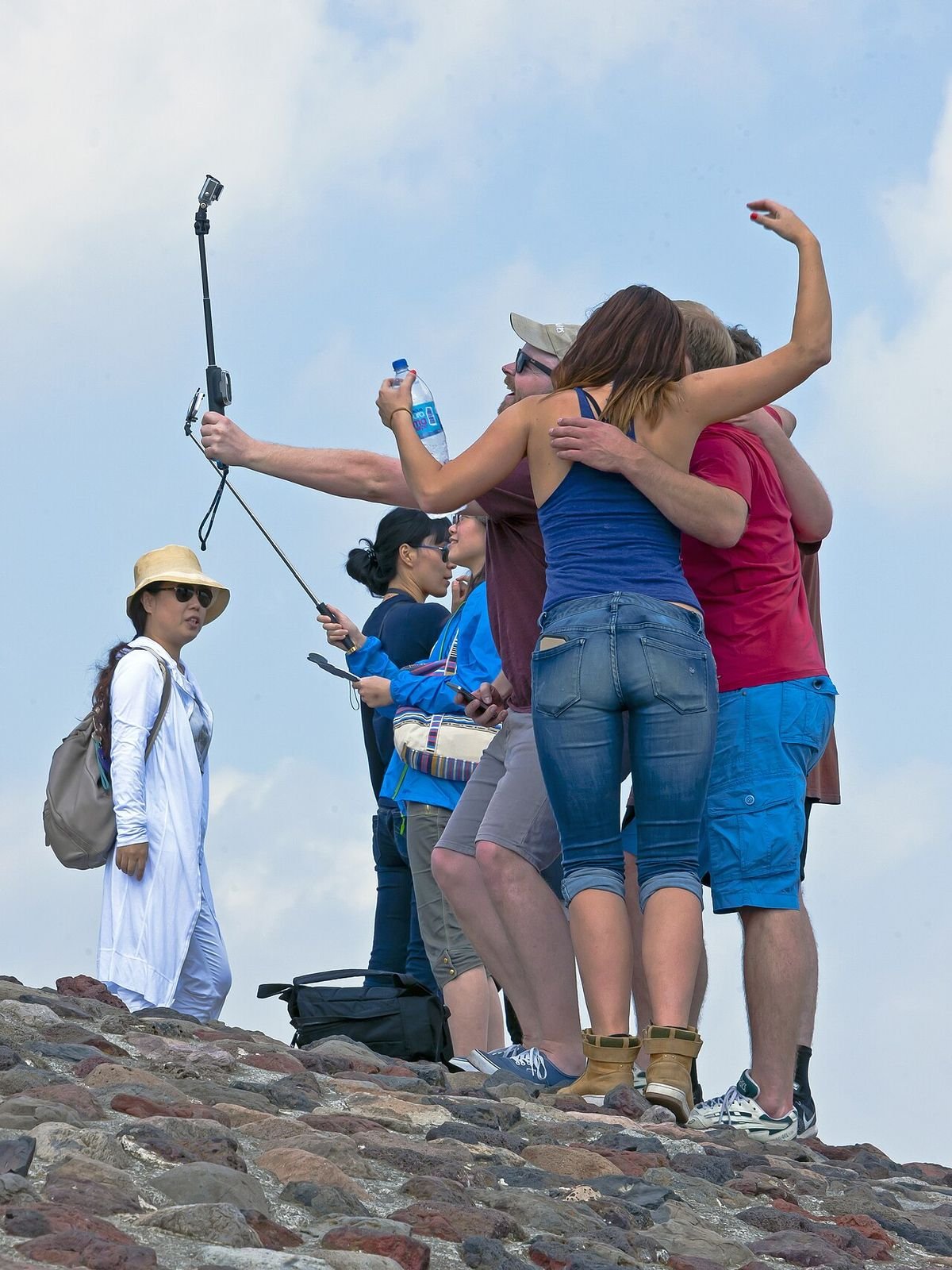
Same room. Same chairs. Same long wait. Completely different people.
A doctor’s waiting room. Someone flips through a two-month-old magazine. Someone else chats with the person next to them about the weather, a kid’s soccer team, the price of gas. A man stares out the window. A woman just sits there, thinking about nothing in particular, which is to say, thinking.
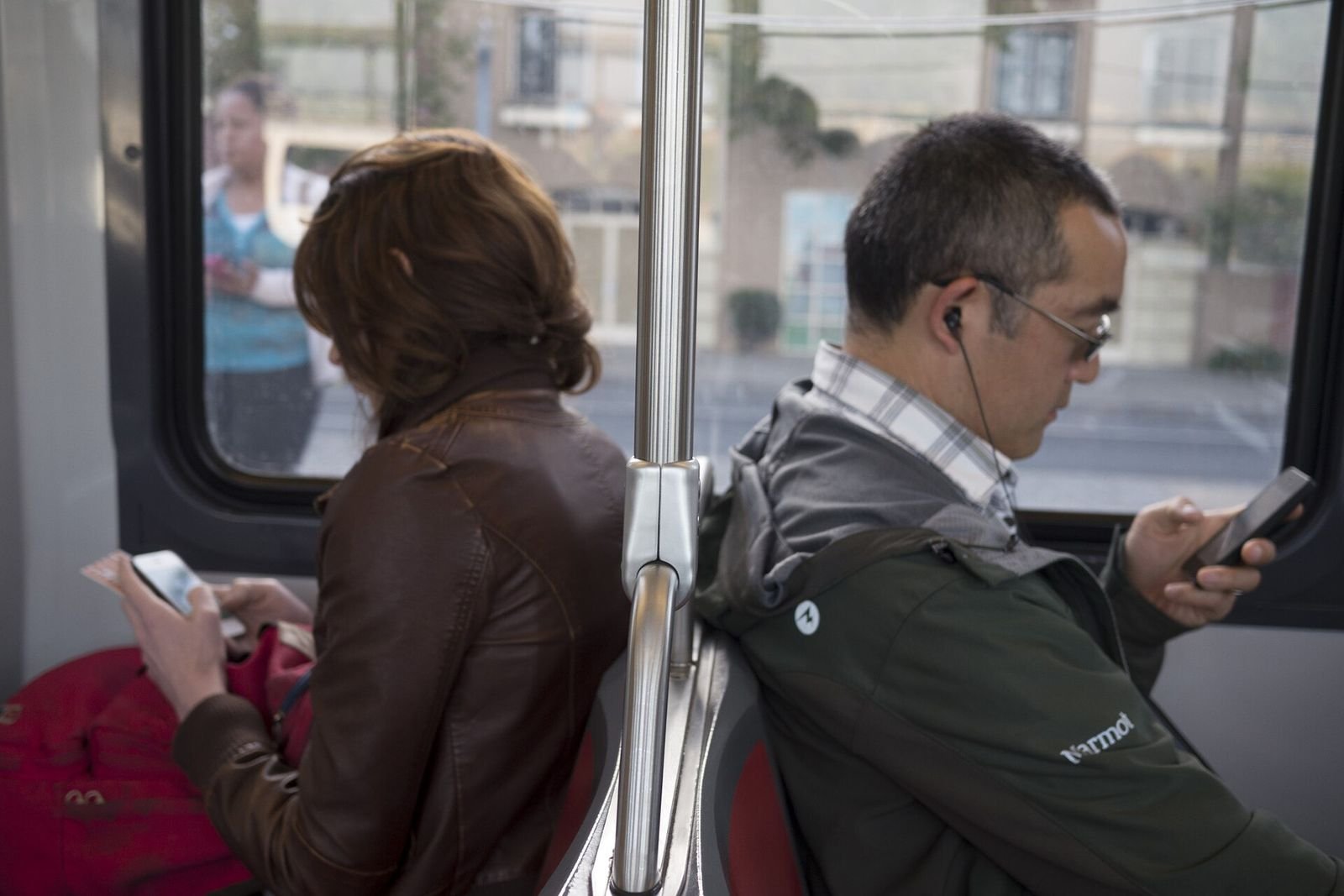
The same waiting room. Nearly every head is tilted down at the same angle. Nobody talks. Nobody looks out the window. If the phone battery dies, there is a flicker of genuine panic.
You see the same thing in grocery lines, at red lights, in restaurants, on trains, and in the ninety seconds while the microwave runs.
Quiet moments used to be unavoidable. Nobody planned them, nobody valued them, and they were everywhere: waiting, commuting, lying in bed before sleep came. They were the gaps where the mind wandered off on its own and came back with something. A memory, a plan, an idea, a feeling you hadn’t had time to feel.
We have filled almost every one of those gaps. Not because anyone decided boredom was the enemy, but because the phone was right there and boredom feels bad. Each choice made sense. Added together, they’ve removed something from the day that people had for the whole of human history: time with nothing coming in.

Given fifteen minutes alone with their own minds, a lot of people reached for the button.
In 2014, psychologists at the University of Virginia and Harvard asked people to sit alone in a plain room for about fifteen minutes and simply think. No phone, no book, nothing. In the room was a button that delivered a mild electric shock, one they had already tried and said they would pay money to avoid.
67% of the men and 25% of the women shocked themselves at least once rather than just sit there. One man pressed it 190 times ·. The researchers’ conclusion was dry: most people “prefer doing to thinking,” even when the doing is unpleasant.
This was before most people carried TikTok. If our tolerance for quiet was already that thin, imagine training it daily, for years, with a device that guarantees you never have to feel it at all.
Here’s the problem: boredom is useful. In another study, people who first did a mind-numbingly dull task, copying numbers out of a phone book, then came up with more creative ideas on a follow-up task than people who skipped the boring part ·. Boredom pushes the mind to go looking for something interesting. If the phone always gets there first, the mind stops looking.
Journalist Manoush Zomorodi turned this into an experiment with thousands of her listeners, called Bored and Brilliant. People who cut back on idle phone use reported getting their daydreaming back, and with it, ideas ·.

“I have discovered that all the unhappiness of men arises from one single fact, that they cannot stay quietly in their own chamber.”Blaise Pascal, Pensées (1670), trans. W. F. Trotter ·
Portrait: unknown; a copy of the painting of François II Quesnel, which was… · Public domain · Wikimedia Commons
We have more to watch than any people in history. So why does it feel like there’s nothing on?
Here’s the contradiction at the heart of it. Most of us can reach more music, film, comedy, games and gossip in thirty seconds than a king could in a lifetime. And yet the most common complaint of the age is: I’m bored.
You’ve probably done the Netflix scroll: twenty minutes browsing, nothing chosen, phone in the other hand the whole time. Or the double-screen evening, where a show plays on the TV while you scroll something else, half-watching both and enjoying neither. That isn’t entertainment. It’s just stimulation with nothing in the middle.
Young adults describe this exactly. In the 2024 Harris Poll of Gen Z adults, 94% linked social media with the word “entertaining,” and 57% linked it with “boredom”. Nearly seven in ten said they use it to pass time, and a third said they open it out of sheer force of habit ·. Entertaining and boring at the same time is a strange thing to be. It’s also a pretty good description of a slot machine.
Neil Postman warned about this future in 1985, contrasting two famous novels. Orwell, in 1984, feared a world where the truth was hidden from us. Huxley, in Brave New World, feared something softer:
“What Orwell feared were those who would ban books. What Huxley feared was that there would be no reason to ban a book, for there would be no one who wanted to read one.”Neil Postman, Amusing Ourselves to Death (1985) ·
Postman’s bet was on Huxley. Nobody had to take our attention by force. We traded it, a few seconds at a time, for something that felt like fun.
A film you chose, watched with someone you like, then talked about afterward is a completely different experience from four hundred fifteen-second clips you didn’t choose and won’t remember. Both count as “screen time.” Only one of them was really time.
A hammer doesn’t want anything from you. Your phone does. That one difference changes the whole relationship between a person and their tools.
One person uses it. The other gets used by it. From the outside, they look identical.
Picks up the phone to look up a recipe, texts their sister about Sunday, sends a file for a project, checks the bus time.
Puts it down.
Picks up the phone to check one message. Sees a notification. Watches one video. Then another. Then an ad. Then a stranger’s argument. Looks up.
It’s been two hours.
Both of these people own the same device, made by the same company, running the same apps. Technology didn’t do anything different to them. The difference is entirely in the relationship, and that difference is the most important thing in this whole section.
For most of history, tools were passive. A plow, a pen, a calculator or a landline phone did nothing until you picked it up, and nothing once you put it down. It had no opinion about how long you used it. It didn’t make money when you kept going.
The modern phone is the first tool most people own that competes for its own use. Nearly every app on it is run by a company that gets paid, in some way, for your time. So the phone isn’t neutral about whether you’re person one or person two. It’s quietly rooting for person two.

In 2022 the New York Times profiled a group of Brooklyn teenagers who swapped smartphones for flip phones and met in a park to read, draw and talk. They called themselves the Luddite Club ·. It’s easy to laugh. It’s harder to explain why the idea spread, and why so many adults reading the article felt a little jealous.
The people who built the features have been surprisingly honest about what they built.
If scrolling feels hard to stop, there’s a reason. Many of the features that keep you scrolling were designed by smart people working very hard to make them hard to stop. Several of those people have since said so publicly.
Behind it is an old idea from behavioral psychology: variable rewards. If a reward comes every time, you get bored. If it comes unpredictably, you keep checking. That’s how slot machines work, and it’s how your notifications, likes and feeds work too. At Stanford, B.J. Fogg’s Persuasive Technology Lab taught a generation of designers how software can shape behavior ·. Some of them used that knowledge to help people exercise or save money. Plenty of it went into keeping people on apps.
“We’re competing with sleep.”Netflix co-founder Reed Hastings, explaining who Netflix’s real competition is (2017) ·
Economists asked over 1,000 U.S. college students two questions. How much would we have to pay you to quit TikTok for four weeks? Most wanted real money, around $55 on average. Then: what if everyone on campus quit too? Suddenly 60% of TikTok users were willing to pay to make that happen ·.
The authors call it a product market trap. People don’t stay because they love it. They stay because everyone else is there.
Minutes feel free. Years don’t. Here’s the conversion rate.
Set your own numbers. The world average for social media alone is about 2 hours 21 minutes a day ·. Your phone’s screen-time setting will tell you yours, if you’re brave.
One year of that time is enough to read about books at eight hours each, or practice the piano for hours every week.
The point of the calculator isn’t guilt. Some of those hours are genuinely good: friends, laughs, things you learned. The point is that minutes don’t feel like they add up. They do.
Most people seriously underestimate their own screen time, which is why the first look at a phone’s weekly report is usually followed by a quiet “huh.”
“Almost constantly” is the teens’ own phrase, picked from a list. Nobody made them say it.
A private disagreement used to stay private. Now it comes with evidence and an audience.
Two friends disagree. Thirty years ago they’d have argued over the phone or on the porch, voices rising and falling, faces reacting in real time. It would have been awkward, and probably over by the weekend.
Today it happens over text. One message reads colder than it was meant. The reply reads angrier than it was meant. Then one of them takes a screenshot, shares it in a group chat for backup, someone else shares it further, and a private squabble has become a public trial with a jury of people who weren’t there.

Text is a terrible way to carry tone. In a 2005 study, people sent short messages, some meant to be sarcastic and some serious. Senders were sure they’d be understood about 78% of the time. Readers of the e-mails got the tone right only 56% of the time, barely better than a coin flip. When the same lines were spoken aloud, accuracy jumped to about 73% ·.
So every text arrives with its tone missing, and the reader fills it in. If they’re relaxed, “ok.” is just “ok.” If they’re anxious, it’s a sign that something is wrong. If they’re already annoyed, it’s an insult. The message never changed. The reader did.
Add screenshots and you get something people never had before: a permanent, shareable record of their worst moments, stripped of tone and context and handed to strangers. It makes people more guarded with each other, which is understandable. It also makes them less honest, which is a loss.
Instant communication came with an unwritten rule: answer instantly, or else.
Somebody sends a message. Ten minutes go by. No answer. And somewhere in their head a story starts: they’re ignoring me, they’re upset, they don’t care. Meanwhile the other person is driving, or in a meeting, or giving a kid a bath, or simply living their life like people did for thousands of years without anyone tracking it.
A generation ago, if you called and nobody picked up, you assumed they were out. That was it. Being unreachable was normal. Now being unreachable looks like a choice, and often like an insult. Read receipts, “last active” dots and typing bubbles turned everyday availability into something people can watch and judge.
The result is a quiet new pressure to be on call for everyone, all the time: friends, family, group chats and bosses. Plenty of people now feel a jolt of guilt for not answering a message within an hour, and a jolt of hurt when they don’t get one back. Neither feeling existed in this form thirty years ago.
MIT’s Sherry Turkle has spent decades interviewing people about this. She keeps hearing the same confession, especially from young people: I’d rather text than talk. Texting lets you edit. Talking doesn’t. That control feels safe, she argues, but conversation in real time, with its awkward pauses and unplanned honesty, is where empathy actually gets built ·.
There’s even a word for ignoring the person in front of you for the one on your screen: phubbing, phone plus snubbing. Most of us have done it. Most of us have felt it done to us, and know exactly how small it makes you feel.
“We expect more from technology and less from each other.”Sherry Turkle, TED (2012) ·
Twenty trips to the same place, and you still couldn’t get there without the voice.
Here’s a test. Think of a place you’ve driven to many times while following GPS: a friend’s new house, a restaurant across town, your kid’s practice field. Could you get there tomorrow with your phone dead? Plenty of people honestly couldn’t, even after twenty trips.
Not long ago, drivers used paper maps, landmarks, memorized routes and a feel for which way was north. They got lost sometimes, and getting lost taught them the area. Ask a stranger for directions today and the most likely answer is a kind smile and “just put it in your phone.”
The brain is a use-it-or-lose-it organ, and navigation shows it beautifully. London taxi drivers famously study “The Knowledge,” memorizing tens of thousands of streets before they get a license. Brain scans found that experienced cabbies had a larger posterior hippocampus, a region tied to spatial memory, and the longer they had driven, the bigger it was ·.
Now the reverse. A 2020 study found that people who used GPS more over their lifetimes had worse spatial memory when they had to find their own way. A smaller group tested again three years later showed that heavier GPS use went along with a steeper decline. People didn’t use GPS more because they had a bad sense of direction; the habit seemed to come first ·.
That doesn’t mean GPS is bad. It gets ambulances where they need to go and lets you visit a strange city without fear. It means that every skill you hand to a machine is a skill you stop practicing. Sometimes that’s a good trade. It’s just worth knowing you made one.

Calculators, spellcheck, search engines: each one took a job off our hands. We stopped noticing which jobs.
Nobody memorizes phone numbers anymore. Plenty of adults can’t do long division, and spellcheck has quietly taken over the spelling of words like “necessary.” None of that is a tragedy on its own. Brains have limited room, and freeing it from trivia could, in theory, leave more room for real thinking.
The question is whether that’s what actually happens. In a 2011 study in Science, people who expected to be able to look information up later were less likely to remember it, though they did remember where to find it. The authors called the internet a kind of external memory we now lean on, like a spouse who always remembers birthdays ·.
The writer Nicholas Carr put the feeling into words in his 2008 essay “Is Google Making Us Stupid?” He noticed that he couldn’t sink into long books the way he used to:
“Once I was a scuba diver in the sea of words. Now I zip along the surface like a guy on a Jet Ski.”Nicholas Carr, The Atlantic (2008) ·
To be fair, people have worried about this for a very long time. Around 370 BCE, Plato wrote a dialogue in which Socrates tells a story about the invention of writing. A wise king warns the inventor that his gift will make people forgetful, and that they will “appear to be omniscient and will generally know nothing” ·. Writing didn’t destroy human thought, obviously. But Socrates wasn’t entirely wrong, either. People really did stop memorizing epic poems.
Every new tool takes something and gives something. The useful question is never whether a tool is good or bad. It’s what this tool takes, and whether we notice.

The same tool can do your thinking for you or make your thinking better. Only one of those makes you smarter.
Types the assignment into an AI chatbot. Copies the essay. Changes a few words so it “sounds like me.” Submits it.
Gets a decent grade. Learned nothing. Can’t explain the argument they supposedly made.
Uses the same chatbot to explore the topic, find the strongest arguments on each side, get pushback on their thesis, spot weak reasoning and tighten their own sentences.
Writes it themselves. Understands it. Could defend it in person.
AI is the biggest version yet of the trade we’ve been making since the calculator. It can do more than look things up. It can write, summarize, argue and decide. That makes the two-student problem bigger than anything that came before it.
Early research is starting to sketch the cost. In a 2025 MIT Media Lab study, people wrote essays with ChatGPT, with a search engine, or with only their own brains while EEG headsets measured their brain activity. The brain-only group showed the strongest, most widespread connectivity, and the ChatGPT group the weakest. Most of the ChatGPT writers couldn’t accurately quote a sentence from the essay they had just turned in ·. It’s a small study, and not yet peer-reviewed. But its title has stuck: Your Brain on ChatGPT.
A survey of 319 knowledge workers by Microsoft Research and Carnegie Mellon found a similar pattern from the other side: the more people trusted the AI, the less critical thinking they reported putting in. The more they trusted their own abilities, the more they checked, questioned and edited ·.
The difference between the two students isn’t the technology. It’s who stays in charge of the thinking.
Used one way, AI is a tutor, a sparring partner and an editor who never gets tired. Used the other way, it’s a ghostwriter for your life. The tool won’t tell you which one you’re using. You have to decide.
Technology made it effortless to see into other people’s lives. It didn’t make it any easier to actually be in them.
You’ve seen their wedding, their kids, their vacations and their opinions. You have never actually met.
You’ve followed someone online for ten years. You saw the engagement post and the wedding photos. You watched their kids go from newborns to braces. You know their politics, their dog’s name and where they went last summer.
It honestly feels like you know them.
But you’ve never had a private conversation with them. You’ve never seen how they act when they’re tired, scared, wrong or unkind. You’ve never needed them, and they’ve never needed you. Everything you know, they chose to show.
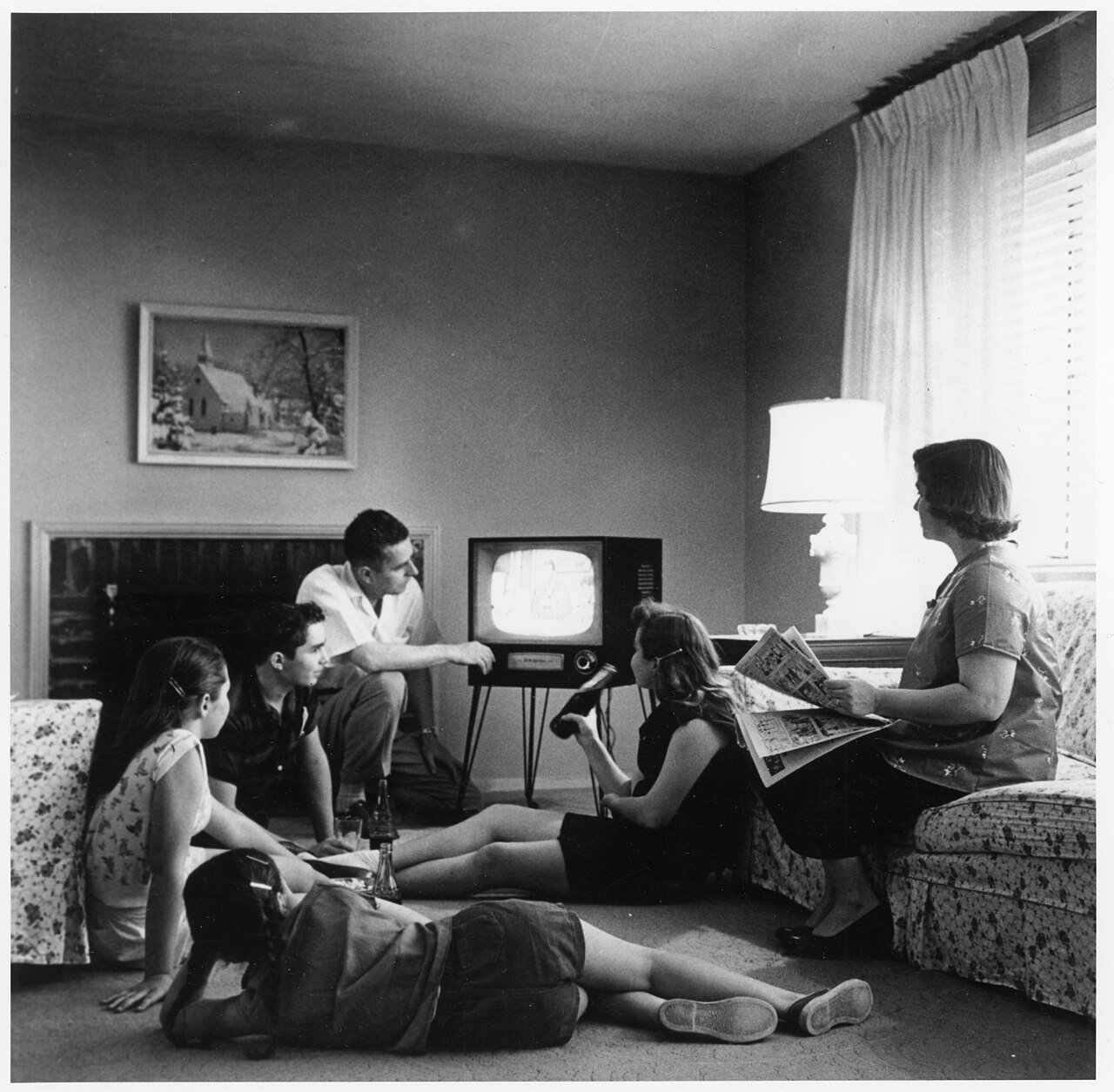
This feeling isn’t new, and it isn’t stupid. In 1956, two sociologists, Donald Horton and Richard Wohl, noticed that TV and radio audiences felt real affection for hosts and performers who had no idea they existed. They called it para-social interaction, and described the strange experience of “intimacy at a distance” ·.
What changed is the scale and the cast. In 1956 you felt close to a talk-show host. Today you might feel close to five hundred people: influencers, old classmates, a cousin’s friend, a stranger whose cooking videos you watch every night. Some of them talk straight into the camera, directly to “you,” and it works on the brain exactly the way it’s meant to.
Now compare that with a different kind of online story. Two people meet in a forum or a game or an app. They start talking privately. Over months they trade honest messages, then phone calls, then a visit. They get each other through a breakup and a job loss. That’s a real friendship, and plenty of people have one.
Both relationships began on a screen. The difference between them isn’t the technology. It’s reciprocity, two people knowing and needing each other, and time spent in the unedited parts of life. Following someone gives you neither. It gives you a feeling of closeness without the cost of it, which is exactly why it’s so easy to collect, and so easy to confuse with the real thing.
Your contact list grew. Your heart didn’t.
The Oxford anthropologist Robin Dunbar is famous for a number: about 150. That’s roughly how many meaningful relationships a human brain can keep track of, the number of people you would comfortably join, uninvited, for a drink if you ran into them at an airport.
Inside the 150 sit smaller and tighter circles: about 50 good friends, about 15 close ones, and about 5 people you would call in a real crisis. The circles have stayed roughly the same size across very different societies, from hunter-gatherer bands to modern offices.
So what happened when social media let people have 500 or 2,000 “friends”? In 2016 Dunbar checked. Facebook users in his U.K. survey averaged around 150 to 180 Facebook friends. But when asked how many of those friends they could actually count on in a crisis, the average was about four. Only around fourteen would offer real sympathy ·.
The inner circles hadn’t grown at all. Social media let people keep weak ties alive, which is genuinely nice. Old classmates, distant cousins, the coworker who moved away. What it couldn’t do was make anyone capable of loving more people. Closeness still takes time, and a day still has 24 hours.
That’s why a person can have a huge audience and still be lonely. The audience was never the same thing as the circle.
Dunbar’s layers of friendship. Each circle is roughly three times the one inside it.

People have used technology to find love for more than three hundred years. The latest version just runs a lot faster.
London publisher John Houghton prints what is often called the first personal ad: a gentleman “about 30 years of age” with a good estate seeks a young woman with a fortune ·.
Newspaper “matrimonial” columns and lonely-hearts ads become common. Letters go back and forth for weeks before anyone meets.
Harvard students launch Operation Match: fill out a questionnaire, mail it with $3, and a computer finds your date ·.
Match.com launches on the new graphical web. Photos and search change everything, a sociologist later notes ·.
Grindr, then Tinder, move dating into the phone. A face, a swipe, a decision in under a second.
Meeting online is now the most common way U.S. heterosexual couples meet: about 39%, up from 22% in 2009. Meeting through friends has fallen behind ·.
Here’s the twist. The Stanford sociologist who documented that shift, Michael Rosenfeld, isn’t gloomy about it. He found that couples who met online weren’t any less likely to last, and that apps help people who were poorly served by family, church and neighborhood matchmaking ·. The anthropologist Helen Fisher, who advised Match for years, makes a similar point: the technology changed how we meet, but the brain chemistry of falling in love is the same ancient system it always was ·.
What did change is the front end. A personal ad in 1895 was a paragraph of words. A dating profile in 2026 is mostly a handful of photographs, judged in a second or two, by someone who has a thousand other faces waiting.

Nobody lied, exactly. And yet the person who walked into the coffee shop wasn’t quite the person on the screen.
A dating profile is a highlight reel with a purpose. The photos are the best ones, sometimes from a few years and a few pounds ago, taken in the perfect light at a friend’s wedding. The bio is honest, but selective. Nobody writes “I sulk when I’m hungry” or “I am still not over my ex.”
None of that is really deception. It’s what everyone does at a job interview or a first date, too. But online, the gap gets wider, and it gets locked in. You build a picture of a person from a few curated pieces, then fill in the rest with your own imagination, which is very generous.
In a 2008 study, researchers measured 80 online daters and checked their driver’s licenses. 81% had misstated at least one of height, weight or age on their profiles. Most changes were small: men tended to add a little height and women to subtract a little weight ·.
Small enough to call harmless. Common enough to call normal.
Then the two of you meet, and reality arrives all at once: a voice, a laugh, a way of chewing, an opinion about your favorite movie. Sometimes it’s even better than the screen. Often it’s just different, and the disappointment isn’t about the other person at all. It’s about the person you’d made up.
Tap each stage to see what you actually learn, and what you still don’t know.
Start with the profile.
Every step down that list adds information that can’t be edited: a voice, a face moving in real time, a body in a room, a bad day. Notice that most of what makes a relationship real only shows up in the last two steps. The apps are very good at step one.
The word for when someone invents a whole identity online, “catfish,” went mainstream after a 2010 documentary of the same name. That’s the extreme. The ordinary version is just a good angle and a hopeful imagination.
“The algorithm” sounds like a force of nature, like weather. It isn’t. It’s a set of choices made by people, in meetings, under pressure, with goals that are not always yours.
Nobody in the room decided to make you angry. That’s exactly the problem.
A social media company notices something in its data: controversial posts get far more comments, shares and time-on-app than ordinary ones. Nobody is shocked. Everybody already suspected it.
What happens next isn’t one villain flipping a switch. It’s a lot of reasonable-sounding decisions, made by different people, each one doing their job.
Put it together and you get a system that rewards outrage, though no single person ever wrote “reward outrage” on a whiteboard. Some of it is intentional design, like choosing to measure success by engagement. Some of it is commercial pressure: ads pay per view, and investors want growth every quarter. And a lot of it is unintended consequence, as when a formula tuned for “meaningful interaction” turns out to love a fight.
The honest answer to “who decided?” is: everyone a little, and no one completely. That makes it very hard to hold anyone responsible, and very easy for everyone involved to sleep at night.
A simplified picture of who shapes a recommendation feed. Real companies differ, but the pressures are similar.
A real example of a reasonable goal producing an unreasonable result.
In January 2018, Mark Zuckerberg announced that Facebook’s News Feed would focus on “meaningful social interactions” between people, rather than passive scrolling ·. It sounded wholesome. More conversation, less mindless video.
Internal documents later revealed what that looked like in the math. Starting in 2017, the ranking formula counted emoji reactions, including the “angry” face, as worth five times as much as a regular like. Posts that made people react strongly got pushed to more people. Facebook’s own researchers found that posts drawing lots of angry reactions were more likely to include misinformation and low-quality news. The weight on “angry” was eventually cut, and by 2020 set to zero ·.
We know this because of Frances Haugen, a product manager who left Facebook in 2021 with tens of thousands of pages of internal research. She went public on 60 Minutes and then testified before the U.S. Senate ·. Her central claim was not that Facebook’s people were evil. It was that the company kept discovering harms in its own research, then kept choosing growth.
“Facebook, over and over again, chose to optimize for its own interests, like making more money.”Frances Haugen, 60 Minutes, Oct. 3, 2021 ·
Meta disputed her characterization and pointed to its spending on safety. But the angry-emoji story is useful whichever side you take, because it shows how this works. A goal that sounds good (“more interaction!”) gets turned into a number. The number gets optimized. And whatever human behavior happens to push the number up, including anger, gets more of the spotlight.
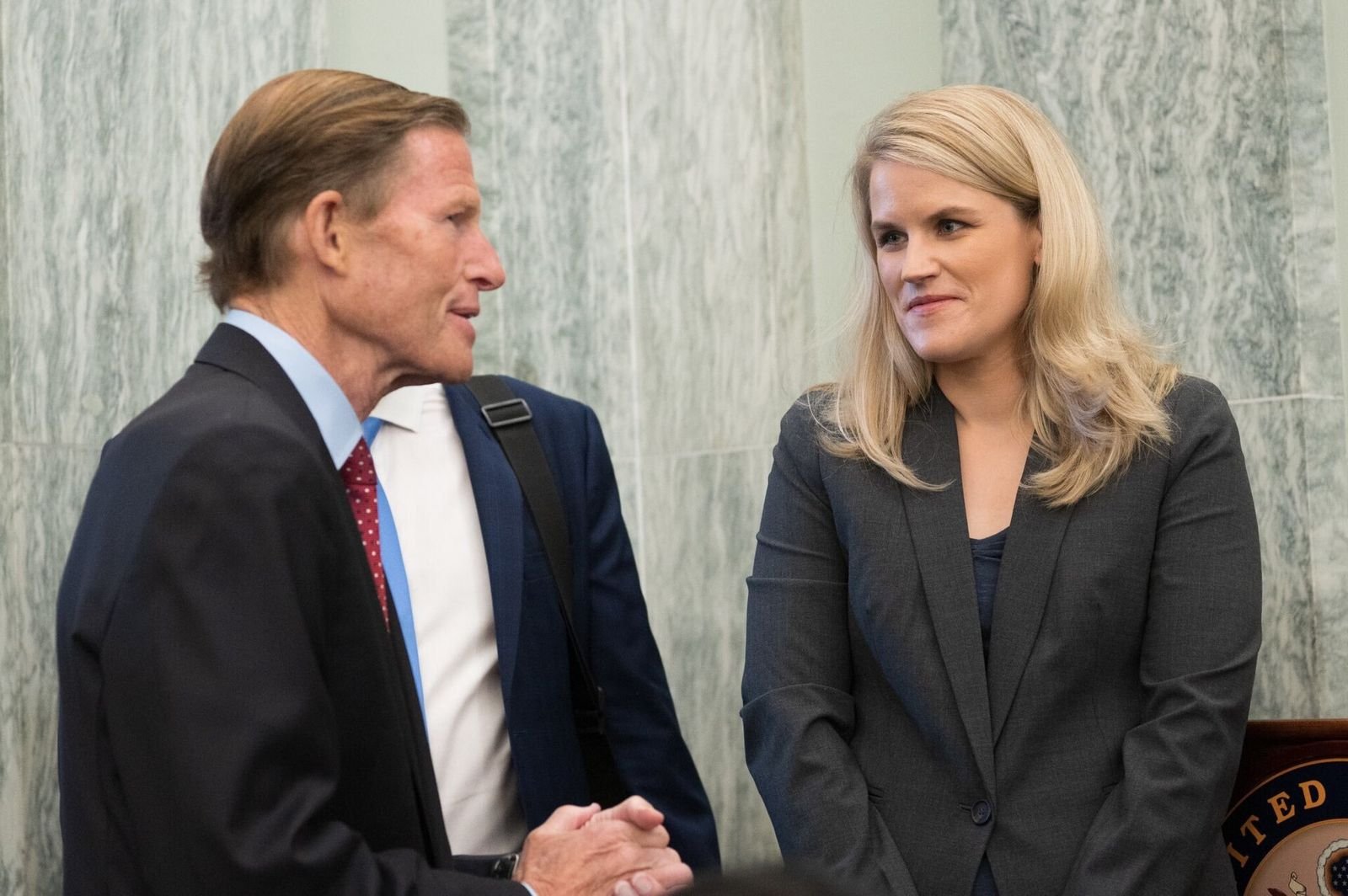
When a chatbot answers you, it isn’t one mind speaking. It’s a stack of decisions, most of them invisible.
AI adds a new layer to the question of control. People tend to talk about an AI system as if it were a single being with its own opinions. It’s more accurate to think of it as the product of many hands.
First come the training data: huge piles of text written by millions of people, with all their knowledge, biases and blind spots. Then the architecture and training methods engineers choose. Then fine-tuning, where human raters score answers and the model learns to produce the kind they liked. Then policies and instructions written by the company, product decisions about tone and features, and constant updates that can change behavior overnight, usually without much announcement.
Two real stories show how this plays out:
The second story should feel familiar by now. It’s the angry emoji all over again: optimize for what people click on in the moment, and you get something that pleases them more than it helps them.
Not one programmer, not one executive, and not a machine with free will. The answer you get is shaped by every layer at once, and you can see none of them. That isn’t necessarily sinister. But it is a reason to treat AI the way you’d treat any powerful source: useful, impressive, and never the final word.
Same street, same grocery store, same taxes, same weather. Completely different worlds.
Picture two neighbors who share a fence. They shop at the same store, drive the same potholed road, pay the same property taxes and wave at each other most mornings.
But every evening, each one opens a phone. One neighbor’s feed fills up with crime, political conflict, layoffs and things falling apart. The other’s fills up with new technology, community wins, job openings and things getting better.
Neither feed is made up. Each story is real. But a year later, these two people live in different countries in their heads. One thinks the town is collapsing. The other thinks it’s on the rise. And when they finally talk about it over the fence, each one honestly wonders how the other can be so blind.
Algorithms, the accounts we choose to follow, our friends’ shares and our own preference for stories that confirm what we already believe all feed into this. Nobody has to lie to anyone for a shared reality to come apart. Everyone just has to be shown a different selection of the truth.
Illustration. Both feeds are made of the same kind of true, local stories, just different ones.
For about five hundred years, new media made audiences bigger and more shared. Then it began making them smaller and more personal.
 1450s
Gutenberg’s press makes identical copies of the same text. For the first time, thousands of strangers can read exactly the same words.
International Printing Museum · CC0 · Wikimedia CommonsCheap newspapers reach the masses, and soon learn that scandal and sensation sell. Clickbait is older than electricity.
 1930s
A president speaks into millions of living rooms at once. In 1938 Orson Welles’ War of the Worlds broadcast showed radio’s power, though the famous “mass panic” was itself exaggerated by newspapers ·.
Unknown photographer · Public domain · Wikimedia Commons1949–1980sA few networks and a Fairness Doctrine requiring broadcasters to air contrasting views on public issues ·. Most of the country watched the same evening news. In 1961 the head of the FCC called TV “a vast wasteland” ·.
Evert F. Baumgardner · Public domain · Wikimedia Commons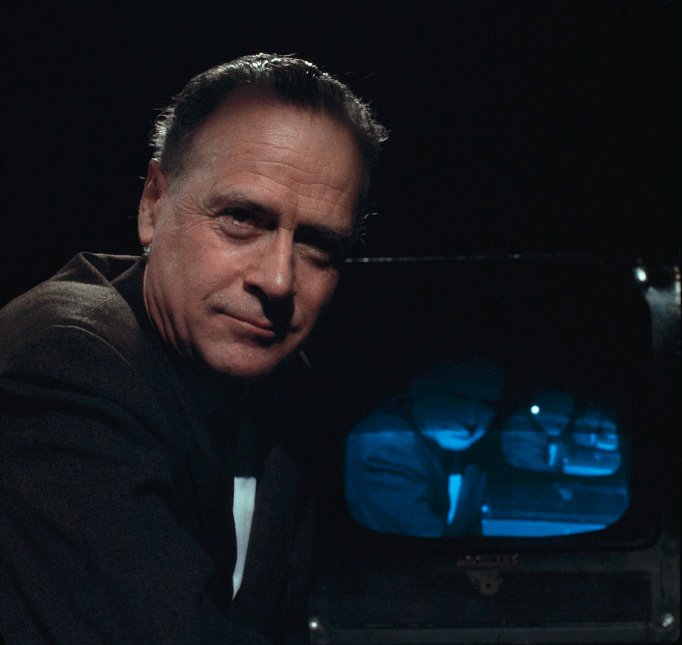 1964
Marshall McLuhan argues that a medium changes us more than its content does ·. The way we get information shapes the way we think.
Bernard Gotfryd · Public domain · Wikimedia CommonsCNN starts 24-hour news in 1980. The Fairness Doctrine is repealed in 1987. Channels multiply, and audiences start sorting themselves.
Facebook launches the News Feed (2006), ranking replaces time order, and TikTok’s For You page reaches the world. Now every person gets their own front page, edited by software.
Look at the direction of that history. Printing, radio and network TV pushed people together, toward a shared set of stories. They had serious flaws: a handful of gatekeepers decided what mattered, and plenty of voices were left out. But when something big happened, most people at least started from the same facts and argued about what they meant. Personalized feeds reversed that direction. We traded a few gatekeepers we could name for billions of invisible edits we can’t.
Before you agree with everything in this presentation, take this quiz. Guess when each warning was made.
Every one of those warnings sounds as if it were written about smartphones. None of them were. People have panicked about writing, books, newspapers, novels, schools, radio, comic books, television and video games, and the world kept turning.
The psychologist Amy Orben calls this the Sisyphean cycle of technology panics: a new technology appears, people panic, researchers scramble to study it, the evidence comes back messier than the headlines, and by then everyone has moved on to panicking about the next thing ·. The novelist Douglas Adams joked that anything that already exists when you’re born feels normal, anything invented between 15 and 35 is exciting, and anything invented after you turn 35 is “against the natural order of things.”
So is this just the latest panic? Maybe. That possibility deserves to be taken seriously, and it’s a good test of critical thinking to hold it in mind.
A book never watched you read it. A radio couldn’t tell which songs made you sad and play more of them. Television didn’t make money from every extra second you kept looking, and couldn’t personalize itself to you. Today’s feeds do all three, all the time. The old media broadcast. The new media learns. That may be the one difference that makes this time different.
We were never taught how to read a feed. Most of us learned by getting fooled.
One of the strangest effects of separate realities is what it does to how we picture each other. In 2019, the research group More in Common asked thousands of Americans to estimate what the other political party believed. Both sides badly overestimated how extreme the other side was. Democrats and Republicans each assumed that about 55% of the other party held extreme views. The real figure was closer to 30% ·. They also found that people who consumed the most news tended to have the biggest perception gaps.
Think about what that does to a family dinner, a friendship or a neighborhood. You’re no longer arguing with your uncle. You’re arguing with a cartoon of your uncle built by a feed, and he’s arguing with a cartoon of you.
In fairness, the research on algorithms is more complicated than the popular story. In a large 2023 experiment during the U.S. election, switching some Facebook and Instagram users to a plain chronological feed changed what they saw a great deal, but didn’t measurably change their political attitudes over three months ·. Algorithms may not create our divisions so much as feed and harden the ones we bring. That still matters.
What helps? Not more information. The skill is evaluating it. In 2016, Stanford researchers found that most students, from middle school to college, struggled to tell sponsored content from real news or to judge where a claim came from ·. Professional fact-checkers do something simple that most of us don’t: they leave the page. Before reading closely, they open new tabs and check who’s behind the source, a habit called lateral reading ·.
For most of history, being noticed was a side effect of doing something. Now it can be the job itself, with a public scoreboard and a paycheck attached.
One post mattered to the people in it. The other one mattered to the algorithm.
Someone posts a sweet, ordinary photo of their family at a picnic. It gets twelve likes, mostly relatives. Grandma comments “beautiful!!” Nice. Quiet.
The next week, half-joking and half-annoyed, they post an outrageous opinion about a hot-button topic. It explodes: 50,000 views, thousands of comments, strangers fighting in the replies, a few hundred new followers.
Which one meant more? The first one. Which one did the platform reward? Not even close.
Now imagine those numbers came with money: ad revenue, sponsorships, subscriber payments, a creator fund. Anyone who wanted to grow would learn the lesson in about two weeks. The family photo is a hobby. The outrage is a business plan.
“Best day with my favorite people ❤️”
“Unpopular opinion: anyone who disagrees with me on this is part of the problem.”
Illustration using the numbers from the scenario. Real results vary, but the direction is the point.
When attention is the product, the most attention-grabbing people win, whether or not they have anything worth saying.
The economist Herbert Simon saw this coming in 1971, long before anyone had heard of a feed: “a wealth of information creates a poverty of attention” ·. When information is unlimited, the scarce thing is the human ability to notice it. And anything scarce becomes something people compete for and sell.
That competition rewards a particular kind of content. Researchers studying 2.7 million posts from news outlets and members of Congress on Facebook and Twitter found that each word attacking the political other side increased the odds of a post being shared by about 67%, a much bigger boost than negative or moral language alone ·. If you want to be seen, insulting “them” works better than almost anything else you can say.
Add money and you get a professional class built around this. Some creators are thoughtful, funny and generous, and earn every view. But the system doesn’t pay for quality. It pays for engagement, and engagement can be manufactured: staged pranks, fake feuds, deliberately wrong takes to bait corrections, “reaction” videos to someone else’s reaction video. The internet now has a word for it. Oxford chose it as its 2025 Word of the Year: rage bait ·.
Over time this blurs something important: the difference between being important and being noticed. A trending topic feels important because everyone is talking about it. A scientist curing a disease quietly might never trend at all. The scoreboard measures volume, and we keep mistaking volume for value.
“A wealth of information creates a poverty of attention.”Herbert A. Simon, economist and Nobel laureate (1971) ·
Popularity used to be a feeling. Now it’s a number under your name, updated in real time.
Every generation of teenagers has cared about being liked. The difference now is that “liked” is literal, counted and public. A post goes up, and for the next hour there’s a running score of how much people approve of you, visible to everyone you know.
Sean Parker described this mechanism as a “social-validation feedback loop”: you post, people react, you feel a little hit of reward, so you post again ·. For adults with a settled sense of who they are, that loop is a distraction. For a fourteen-year-old still figuring it out, it can become a mirror, and a very unforgiving one.
Even the platforms seemed uneasy. Starting in 2019, Instagram tested hiding like counts in several countries, then in 2021 let everyone choose whether to see them ·. Most people kept them on. The numbers bother us, but we also can’t stop looking at them.
Meanwhile the dream job has changed. In a 2019 survey, American and British kids aged 8 to 12 were nearly three times as likely to want to be a YouTuber as an astronaut ·. That isn’t silly, by the way. Some YouTubers earn more than astronauts, and make people happy. But it does show what the culture is teaching: the most admired thing you can be is watched.
The hard question isn’t whether wanting attention is wrong. Everyone wants to be seen. It’s what happens to a person when the measure of their worth is a number decided by strangers and an algorithm, and when that number goes down.
We worry about being watched by corporations, and then post our kids’ school, our vacation dates and our breakfast for anyone to see. Both things are true at once, and that’s the interesting part.
We guard our data from companies, and then hand it to the public for free.
Someone is genuinely worried about tech companies collecting their personal data. They’ve read the articles. They decline cookies. They’re suspicious of smart speakers.
That same week they post photos of their kids in school uniforms, share their location at a restaurant, write about a fight with their partner, list their employer in their bio and document their morning run, route included.
That person is most of us. In a 2023 Pew survey, 81% of Americans said they were concerned about how companies use the data collected about them, and 73% said they have little or no control over it ·. Researchers call the gap between that worry and our actual behavior the privacy paradox.
Part of the explanation is that the two risks feel different. Corporate data collection is invisible and abstract. Posting is visible, social and rewarding: friends react, the moment gets marked, the family in another state sees the baby. The cost of oversharing comes later, if at all, and to someone else, often a future version of you.
None of this is entirely new. In 1890, two Boston lawyers, Samuel Warren and Louis Brandeis, wrote one of the most famous articles in American legal history, “The Right to Privacy.” What alarmed them was a new gadget: the cheap, portable Kodak camera, which let anyone snap a picture of anyone else. They warned that “instantaneous photographs and newspaper enterprise have invaded the sacred precincts of private and domestic life” ·. Their answer was a “right to be let alone.” Today we carry the camera, the printing press and the newspaper in one pocket, and we usually point it at ourselves.
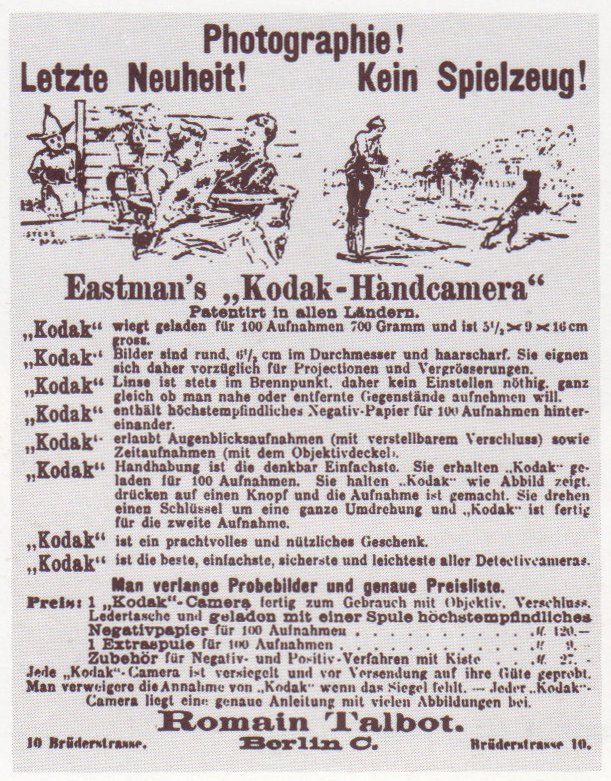
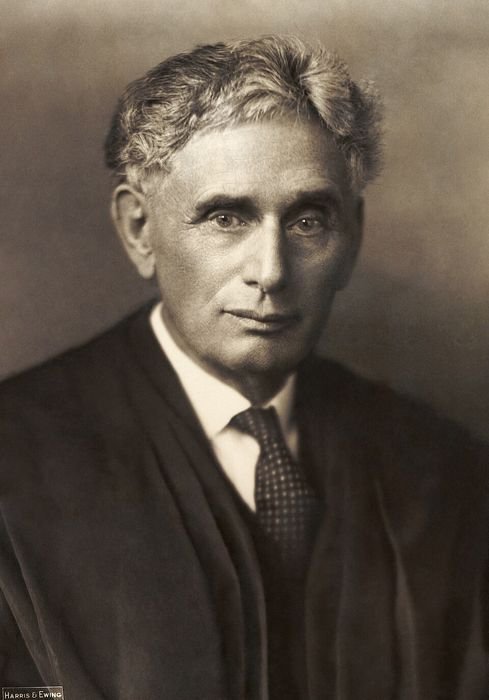
Even if you never post a thing, your phone is filling out a form about you all day long.
Posting is only the part of privacy we can see. Underneath it, apps, websites, cars, TVs, fitness trackers, doorbells and speakers record where you go, what you buy, what you search, how long you look at something and who you’re near. Much of it is bundled and sold through data brokers most people have never heard of.
The Harvard professor Shoshana Zuboff calls the system surveillance capitalism: a business model that, in her words, “unilaterally claims human experience as free raw material for translation into behavioral data” ·. Her point is that the real product is not the app you use. It’s the predictions about you that get sold to whoever wants to influence what you do next.
The most famous example is a decade old and still unsettling. In 2012, the New York Times described how the retailer Target built a model that could guess when a shopper was likely pregnant from purchases like unscented lotion and certain supplements, so it could send baby coupons early. In one widely retold story, a father complained about baby ads sent to his teenage daughter, then later apologized: she was pregnant ·. Nobody had told Target anything. The data did.
None of this needs your permission in any meaningful sense. You clicked “I agree” on terms of service that would take hours to read. That counts as consent the way a forty-page contract written by the other side’s lawyers counts as a conversation.
No hacking required. Just a profile, a little patience and the things people post every day.
Nothing is saved or sent anywhere. This runs only in your browser.
Each post on its own is harmless. That’s the trick. Nobody shares “my child’s school, my birthday, my mother’s maiden name and the week my house will be empty.” They share a cute first-day photo, a birthday cake, a sweet Mother’s Day tribute and a beach sunset. A patient stranger, a scammer or an AI tool can put the pieces back together in minutes.
A dumb moment used to fade. Now it gets indexed.
Picture a sixteen-year-old posting something cruel, crude or just plain dumb, the kind of thing sixteen-year-olds have always said. In 1985, it would have been heard by four friends and forgotten by Friday. Today it can be screenshotted, archived and searchable for the rest of their life, ready to resurface during a college application, a job interview or a first date at thirty-five.
The most famous example is an adult. In December 2013, a PR executive named Justine Sacco tweeted a tasteless joke about AIDS and Africa to her 170 or so followers, then boarded an eleven-hour flight to Cape Town. While she was in the air with no Wi-Fi, the tweet went viral worldwide. “#HasJustineLandedYet” trended as strangers waited to watch her find out. By the time she landed she had become one of the most hated people on the internet, and she soon lost her job ·.
The journalist Jon Ronson, who interviewed her afterward, isn’t defending the joke. His point is about the punishment: thousands of people, each contributing one small cruel tweet, together delivered a sentence no court would ever hand out, and the record of it never goes away.
Some places have pushed back. In 2014 the European Union’s top court ruled that people can ask search engines to remove links to information about them that is outdated or irrelevant, the so-called right to be forgotten ·. The United States has no general equivalent. Here, the past is mostly permanent, and the only real protection is not posting it in the first place.
A generation is growing up with an online life story they didn’t write and never agreed to.
Most parents who post their kids online do it out of love. A first step, a missing tooth, a funny thing said in the car. It’s the modern photo album, and it lets grandparents three states away feel part of it.
But a photo album sat in a closet. This one sits on a server, searchable, shareable and permanent, and the child at the center of it never got a vote. As early as 2010, a security firm’s survey found that 92% of American children had an online presence by age two, mostly through photos their parents posted ·. Those kids are now in high school, with their whole childhood a search away.
The law professor Leah Plunkett calls this “sharenthood”: adults sharing children’s private moments long before the children can understand or consent, in ways that can follow them into adolescence and adulthood ·. In 2018 the British bank Barclays predicted that by 2030, oversharing by parents could account for about two-thirds of the identity fraud facing young people, because so many birthdays, full names and hometowns are already public ·.
Then there’s the business version: family vlog channels where children’s tantrums, illnesses and private milestones are content, and content is income. Lawmakers have started to notice. In 2024 Illinois became the first U.S. state to require that children featured in monetized family videos receive a share of the earnings ·, and France passed a law making parents jointly responsible for protecting their children’s image rights, with courts able to step in ·.
Imagine being fourteen and discovering that strangers have watched you get potty-trained. That kid didn’t overshare. Someone overshared them.
Before posting about a child, it’s worth imagining them at sixteen, reading it. Not because posting is wrong, but because one day they will be sixteen, and the post will still be there.
Everything in this presentation so far has been about technology using people. This part is about people using technology, and what becomes possible when they do.
For most of history, if you lived far from a teacher, you simply didn’t learn. That’s over.
Picture someone in a small rural town who has always wanted to play the piano. The nearest teacher is an hour away and expensive. A generation ago, that would have been the end of it.
Today that person can watch a skilled pianist’s hands from above in slow motion, loop the hard measure forty times, use an app that listens and tells them which note they missed, join a forum of other late beginners, and take a live lesson over video with a teacher in another country. None of that existed when their parents were young. All of it is free or cheap.
That’s the other face of the same screen we’ve been criticizing for six sections. Khan Academy, a nonprofit, set out to offer a free, world-class education to anyone, anywhere ·. Free courses, open lectures and tutorials let people learn calculus, welding, languages and code at 2 a.m. in their kitchen.
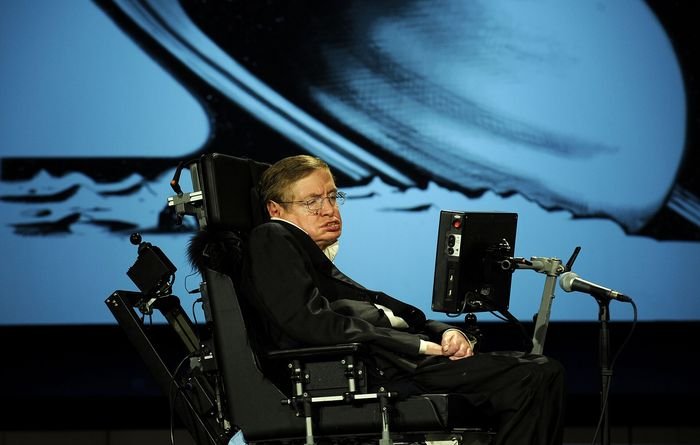
It goes far beyond hobbies. Stephen Hawking, who lost the ability to speak, kept lecturing and writing for decades through software that turned tiny cheek movements into words. Intel later released that system as open source, free for others to use ·. In 2011, players of an online puzzle game called Foldit worked out the structure of a viral enzyme that had stumped scientists for about fifteen years, and did it in roughly three weeks ·. In 2024, the Nobel Prize in Chemistry went partly to the creators of an AI system that predicts the shapes of proteins, a problem biologists had chased for half a century ·.
Grandparents watch grandchildren grow up over video calls. People with rare diseases find the only other twenty people on Earth who share it. That’s not brain rot. That’s the internet doing exactly what its early dreamers hoped.

The question was never “technology: yes or no?” It was always “who’s in charge?”
A small-business owner twenty years ago who wanted a professional website needed real money, a designer and a developer. Today the same person can build a good one in a weekend with affordable software and some help from AI, then spend the money they saved on the actual business.
Or take the kind of project you are looking at right now. Someone spends years reading history, philosophy and sociology, scribbling ideas and building opinions. Modern tools, including AI, can help organize that work, check sources, write code and turn it into an interactive presentation that anyone can read for free. The technology does a lot of the heavy lifting: research, organization, drafting, programming, layout. But the curiosity, the opinions, the creative direction and the reason it exists are still human.
That’s the dividing line that keeps showing up all through this piece:
The feed picks what you see. The app decides when you’re done. The chatbot writes the essay. The GPS knows the way. You show up, mostly as a pair of eyes.
You pick the goal. The tool helps you reach it: learning faster, creating more, connecting deeper, reaching further than you could alone. Then you put it down.
Writers who are harsh critics of tech often land in the same place. Cal Newport doesn’t argue for throwing your phone into a lake. He argues for deciding on purpose which tools earn a place in your life ·. Jaron Lanier, a virtual-reality pioneer, loves technology and still wrote a book called Ten Arguments for Deleting Your Social Media Accounts Right Now ·. Neither of them is anti-technology. They’re anti-being-used.
Did I pick this up for a reason? Is it helping me do the thing, or doing the thing instead of me? And when I’m done, can I put it down? Those questions work for a phone, a feed, a game or an AI, and they’re yours to answer.
Yes. But the chance looks less like a rescue and more like a habit.
After seven sections of warnings, here’s something hopeful: people are noticing. The generation raised inside the feed named its own condition “brain rot” and turned it into a joke, which is how people usually start taking something seriously. More than eight in ten Gen Z adults say they’ve tried to limit their own social media use ·. Schools are banning phones in class. Teenagers are carrying flip phones on purpose. In December 2025, Australia became the first country to bar under-16s from holding accounts on major social platforms ·. You can argue about whether those are the right moves. You can’t argue that nobody’s paying attention.
Technology isn’t the villain of this story, and it isn’t the hero. It’s the most powerful set of tools people have ever built, owned largely by companies that profit when we use them without thinking. Every section came back to the same fork: the person with the phone, or the phone with the person.
So here’s the honest ending. Nobody is coming to fix this for you. Not the platforms, which are paid for your attention, and not the government, which moves at the speed of committees. What’s left is small and personal and surprisingly powerful: the next time you reach for your phone, noticing that you reached.
That’s it. That’s the chance. It’s not much. It may be enough.
Same six statements as the beginning. Your earlier answer appears under each one.
The people whose ideas run underneath this piece. Agree with them or argue with them; both are better than scrolling.
Marshall McLuhanMedia theorist. “The medium is the message.” Understanding Media (1964).Wikipedia ↗NPNeil PostmanMedia critic, NYU. Amusing Ourselves to Death (1985), Technopoly (1992).Wikipedia ↗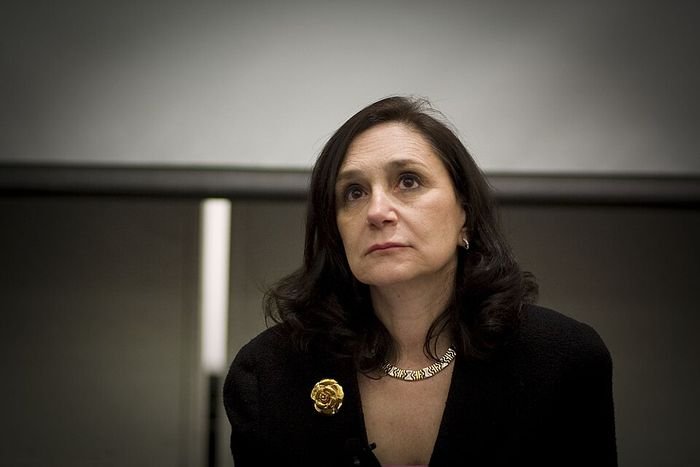 Sherry TurkleMIT sociologist. Alone Together (2011), Reclaiming Conversation (2015).sherryturkle.mit.edu ↗
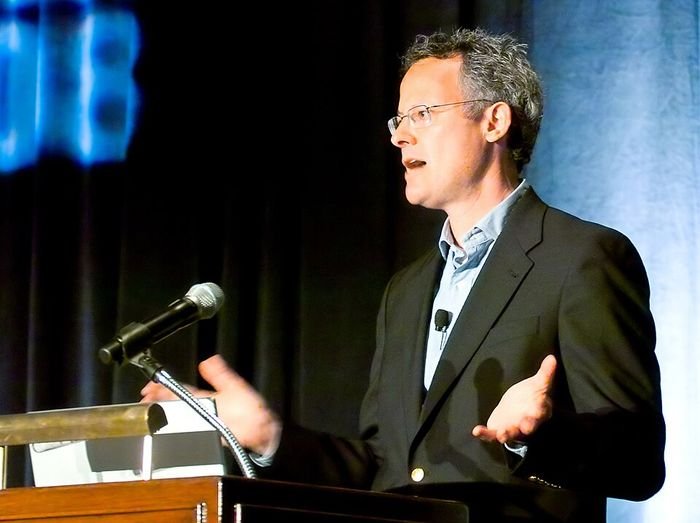 Nicholas CarrWriter. The Shallows (2010), “Is Google Making Us Stupid?” (2008).nicholascarr.com ↗
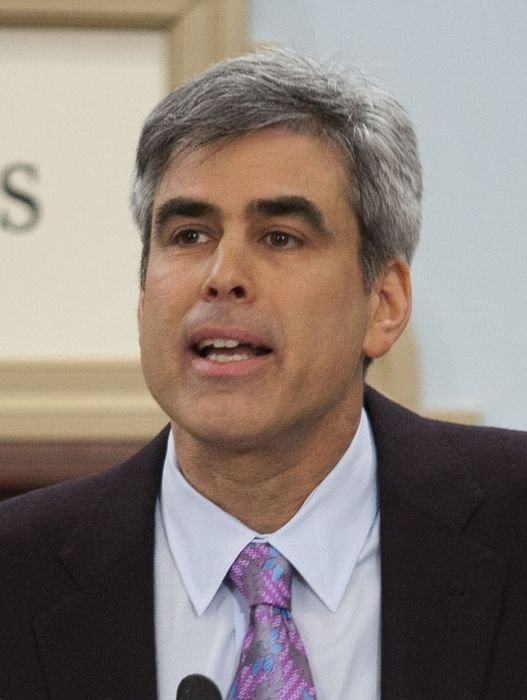 Jonathan HaidtSocial psychologist, NYU Stern. The Anxious Generation (2024).anxiousgeneration.com ↗
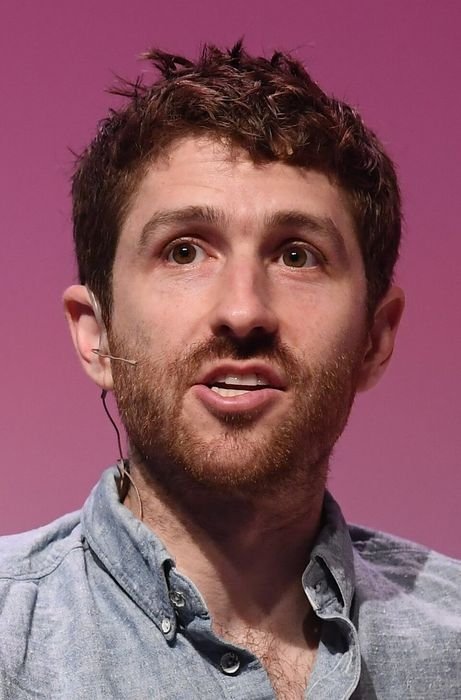 Tristan HarrisFormer Google design ethicist; co-founder, Center for Humane Technology.humanetech.com ↗
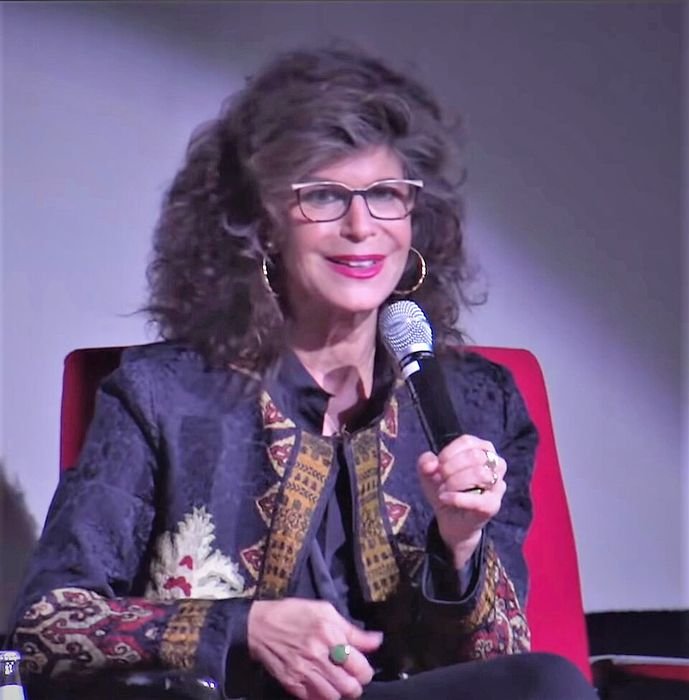 Shoshana ZuboffHarvard Business School professor emerita. The Age of Surveillance Capitalism (2019).shoshanazuboff.com ↗CNCal NewportComputer scientist, Georgetown. Digital Minimalism (2019), Deep Work (2016).calnewport.com ↗
 Jaron LanierVR pioneer. Ten Arguments for Deleting Your Social Media Accounts Right Now (2018).jaronlanier.com ↗BJB. J. FoggStanford behavior scientist; founder of the Persuasive Technology (now Behavior Design) Lab.behaviordesign.stanford.edu ↗Robin DunbarOxford evolutionary psychologist; “Dunbar’s number.” Friends (2021).University of Oxford ↗
 Eli PariserAuthor and activist. The Filter Bubble (2011).elipariser.org ↗
Numbered in the order they first appear. The small numbered chips throughout the presentation open these.
Henry David Thoreau (3x4 cropped)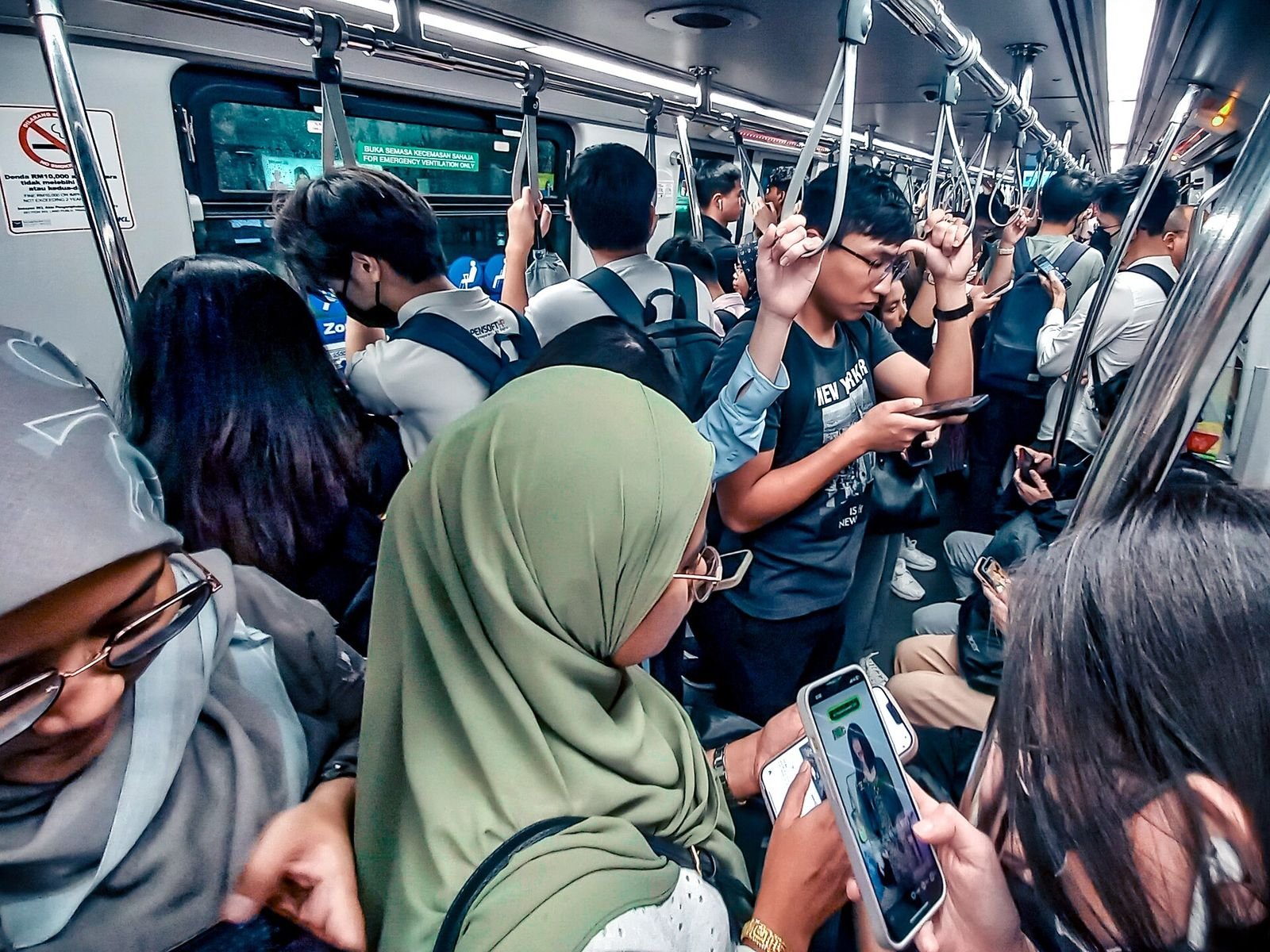 KL subway commuters - Flickr - Franck MichelLewis Hine - Newsies at Skeeters Branch, St. Louis, Missouri - Google Art ProjectAndrew Sullivan - 2015Two people using selfie sticks atop Pyramid of the Sun, TeotihuacanSickert, EnnuiPeople On San Francisco Muni Train(84006249)Blaise Pascal Versailles
 Slot machines at Monte Carlo hotel, Las VegasMotorola DynaTAC and Samsung Galaxy Note EdgePhotograph of Women Working at a Bell System Telephone Switchboard (3660047829)London Black Cab - April 2007Socrates Louvre
 Elizabeth's Restaurant - Food and Devices - New Orleans 2016Family watching television 1958Robin Dunbar (6293027302)IBM Electronic Data Processing Machine - GPN-2000-001881
 BalticServers data centerFrances Haugen 2021Gutenberg pressFranklin D. Roosevelt having a fireside chat in Washington, D.C - NARA - 196760Marshall McLuhan 1967 (cropped)
 1 times square night 2013Facebook Like sign
 Closed-circuit television (CCTV) camerasKodak Handcamera Anzeige 1888Brandeisl
 One Laptop Per Child - Flickr - Knight FoundationPiano Lesson (1873), by Vito D’AnconaStephen Hawking NASA 50th 200804210002HQSherry TurkleNicholas Carr at the Telecosm Conference in 2008 cropJonathan Haidt in 2012 (3x4 cropped)Tristan Harris cropShoshana Zuboff at Alexander von Humboldt InstitutJaron Lanier 1Eli Pariser - Flickr - Knight Foundation
This is an opinion piece. The scenarios marked “Picture this” are illustrations of everyday situations, not reports of specific events. Everything presented as a real event, study, statistic or quotation is linked to its source.
Interactive pieces (the self-check, the Saturday-morning feed, the calculators and the footprint list) run entirely in your browser. Self-check answers are kept in your browser’s local storage so the last page can compare them; nothing is sent anywhere. Use “Clear my answers” on the final page to erase them.
Figures are current as of November 2026.
Videos are embedded from YouTube in privacy-enhanced mode (youtube-nocookie.com) and load only when their page is open. They remain the property of their creators: TED, TEDx, CBS News and 60 Minutes, and VPRO.
Photographs and artworks come from Wikimedia Commons under the public-domain status or Creative Commons license listed with each one. Charts and diagrams were drawn for this piece from the cited data.
Space Grotesk, Source Serif 4, Inter and JetBrains Mono, all under the SIL Open Font License and served with this page.